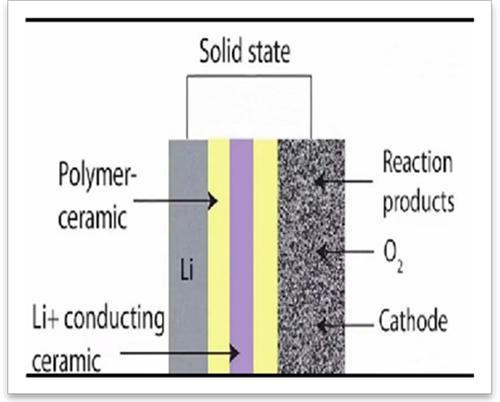
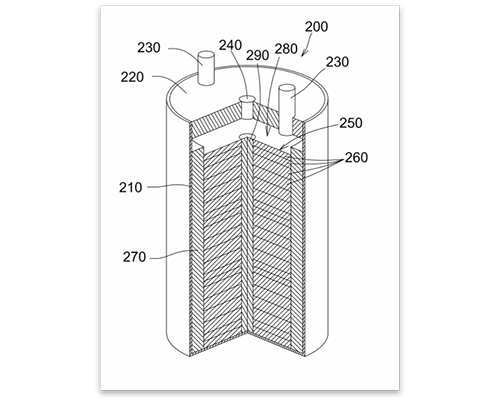
Graphene Solid-state batteries represent the primary pathway for the future of battery technology, with graphene solid-state electrolytes serving as the essential technological components within the battery industry.
Graphene solid-state electrolytes consists of graphene sulfoselenide and features excellent safety performance, high energy density, high charging and discharging speed, light weight, high rate, long cycle life.
Self-development and production of advanced equipment and products and independent intellectual property rights of all products.
Solid-state electrolytes are materials used in batteries for discharge. Currently, there are three technological pathways for solid-state electrolytes in the market: polymers, oxides, and sulfides.
Graphene solid-state electrolytes is a colloidal electrolyte based on porous graphene as the substrate. This electrolyte boasts excellent safety performance, high energy density, reduced interfacial resistance, fast charge and discharge rates, lightweight and thin design, high rate capability, and long cycle life.
_看图王.png)